Conquer the Mind… But What Is the Mind? | The Neuroscience Behind Guru Nanak’s Words

We have all heard the timeless words:

ਮਨਿ ਜੀਤੈ ਜਗੁ ਜੀਤੁ.”

But have we ever stopped to ask…

Who—or what—is this “mind” that we are trying to conquer?

In this first interview-style episode of Science of Mind, Dr. Rachhpal Singh Sahota and Puneet Joshi explore one of the deepest questions in neuroscience, psychology, and spirituality.

Why does the mind keep wandering?
What is the Default Mode Network (DMN)?
What is the difference between “Me” and “I”?
Why does meditation make us feel detached from our thoughts?
Why doesn’t telling someone with depression to “think positive” actually help?
What do the latest discoveries about psychedelics reveal about depression, therapy, and the brain’s remarkable ability to reorganize itself?

Drawing upon modern neuroscience while connecting it with insights from Guru Nanak Dev Ji, Bulleh Shah, and centuries-old contemplative traditions, this conversation offers a fresh way of understanding the human mind.

Whether your interest is science, psychology, meditation, or Sikh philosophy, this episode invites you to see yourself from an entirely different perspective.


👍 If you enjoyed this discussion, please Like, Share and Subscribe to support more conversations exploring the science behind the human mind.

💬 We’d love to hear your thoughts. Leave your questions in the comments—Dr. Sahota is always happy to answer them.


Chapters

03:06Intro | ਜਾਣ-ਪਛਾਣ

04:11Why Minds Wander | ਮਨ ਕਿਉਂ ਭਟਕਦਾ?

06:51Default Mode Network | ਡੀਐਮਐਨ

09:15‘Me’ vs ‘I’ | ਮੈਂ ਤੇ ਆਪਾ

11:46Meditation & Awareness | ਧਿਆਨ

15:28Brain & Body | ਦਿਮਾਗ ਤੇ ਸਰੀਰ

17:38Depression Models | ਡਿਪਰੈਸ਼ਨ

22:06Psychedelics & Therapy | ਸਾਇਕੈਡੈਲਿਕਸ

26:26Final Thoughts | ਅੰਤਿਮ ਸੰਦੇਸ਼

Episode 25: ਭਰੋਸਾ — ਦਿਮਾਗ ਦਾ ਸਭ ਤੋਂ ਵੱਡਾ ਭੁਲੇਖਾ | Trust — The Brain’s Greatest Illusion

ਅਸੀਂ ਅਕਸਰ ਮੰਨ ਲੈਂਦੇ ਹਾਂ ਕਿ ਜੋ ਅਸੀਂ ਵੇਖ ਰਹੇ ਹਾਂ, ਉਹ ਪੂਰੀ ਸੱਚਾਈ ਹੈ। ਪਰ ਸੱਚ ਇਹ ਹੈ ਕਿ ਸਾਡਾ ਧਿਆਨ ਸਿਰਫ਼ ਇੱਕ ਛੋਟਾ ਹਿੱਸਾ ਚੁਣਦਾ ਹੈ — ਅਤੇ ਬਾਕੀ ਨੂੰ ਚੁੱਪਚਾਪ ਗਾਇਬ ਕਰ ਦਿੰਦਾ ਹੈ। ਇਸ ਐਪੀਸੋਡ ਵਿੱਚ ਅਸੀਂ ਸਮਝਦੇ ਹਾਂ ਕਿ ਧਿਆਨ, ਭਰੋਸਾ, ਅਤੇ ਧਾਰਣਾ ਕਿਵੇਂ ਕੰਮ ਕਰਦੇ ਹਨ — ਅਤੇ ਕਿਉਂ ਦੋ ਇਨਸਾਨ ਇੱਕੋ ਹਾਲਾਤ ਨੂੰ ਵੇਖ ਕੇ ਪੂਰੇ ਭਰੋਸੇ ਨਾਲ ਵੱਖਰੇ ਨਤੀਜੇ ਕੱਢ ਸਕਦੇ ਹਨ।

ਇਸ ਐਪੀਸੋਡ ਵਿੱਚ ਅਸੀਂ ਵੇਖਦੇ ਹਾਂ

ਧਿਆਨ (attention) awareness ਤੋਂ ਕਿਵੇਂ ਵੱਖ ਹੈ

ਦਿਮਾਗ ਜਾਣਕਾਰੀ ਨੂੰ ਕਿਵੇਂ ਫਿਲਟਰ ਕਰਦਾ ਹੈ

ਭਰੋਸਾ ਅਸਲ ਸੱਚਾਈ ਤੋਂ ਨਹੀਂ, ਚੁਣੀ ਗਈ ਜਾਣਕਾਰੀ ਤੋਂ ਕਿਵੇਂ ਬਣਦਾ ਹੈ

ਜਾਦੂਗਰ attention ਅਤੇ misdirection ਨੂੰ ਕਿਵੇਂ ਵਰਤਦੇ ਹਨ

social connection sensory monitoring ਤੋਂ ਕਿਉਂ ਵੱਧ ਤਾਕਤਵਰ ਹੁੰਦਾ ਹੈ

Language Note

ਇਹ ਐਪੀਸੋਡ ਪੰਜਾਬੀ ਵਿੱਚ ਪੇਸ਼ ਕੀਤਾ ਗਿਆ ਹੈ। English subtitles YouTube ’ਤੇ ਉਪਲਬਧ ਹਨ।

Science of Mind — ਜਿੱਥੇ ਸਮਝ ਜਾਗਰੂਕਤਾ ਬਣਦੀ ਹੈ, ਅਤੇ ਜਾਗਰੂਕਤਾ ਅੰਦਰੂਨੀ ਬਦਲਾਅ ਲਿਆਉਂਦੀ ਹੈ।


More in this series

Previous Episode: Episode 24 – ਗੁੱਸੇ ਵਿੱਚ ਲਿਪਟਿਆ ਪਿਆਰ

Next Episode: Episode 26 – ਸਰੀਰ ਤੋਂ ਬਾਹਰ ਹੋਣ ਦੇ ਅਨੁਭਵ ਦੀ ਵਿਆਖਿਆ | Interpreting the Experience of Being Outside the Body

Episode 24: ਗੁੱਸੇ ਵਿੱਚ ਲਿਪਟਿਆ ਪਿਆਰ | Love Wrapped in Anger

ਕਈ ਵਾਰ ਗੁੱਸਾ ਅਸਲ ਭਾਵਨਾ ਨਹੀਂ ਹੁੰਦਾ। ਉਹ ਪਿਆਰ ਹੁੰਦਾ ਹੈ — ਪਰ ਲੰਮੇ ਸਮੇਂ ਤੱਕ ਚੁੱਪ ਰਹਿ ਕੇ ਸਖ਼ਤ ਹੋਇਆ ਪਿਆਰ। ਇਸ ਐਪੀਸੋਡ ਵਿੱਚ ਅਸੀਂ ਇੱਕ ਅਜਿਹੇ ਇਨਸਾਨ ਦੀ ਕਹਾਣੀ ਵੇਖਦੇ ਹਾਂ ਜੋ ਸਾਲਾਂ ਤੱਕ ਆਪਣੇ ਜਜ਼ਬਾਤ ਦਬਾਉਂਦਾ ਰਿਹਾ। ਜਦੋਂ ਉਹ ਭਾਵਨਾਵਾਂ ਨੂੰ ਸੁਰੱਖਿਅਤ ਥਾਂ ਨਾ ਮਿਲੀ, ਉਹ ਗਲਤ ਵੇਲੇ ਅਤੇ ਗਲਤ ਥਾਂ ’ਤੇ ਗੁੱਸੇ ਵਜੋਂ ਫੱਟ ਪਈਆਂ। ਇਹ ਕਹਾਣੀ ਸਿਰਫ਼ ਗੁੱਸੇ ਦੀ ਨਹੀਂ — ਇਹ ਅੰਦਰਲੇ ਦਬਾਅ, selective memory, ਅਤੇ ਮਨ ਦੀ ਰੱਖਿਆ ਪ੍ਰਣਾਲੀ ਦੀ ਕਹਾਣੀ ਹੈ।

ਇਸ ਐਪੀਸੋਡ ਵਿੱਚ ਅਸੀਂ ਵੇਖਦੇ ਹਾਂ

ਦਬਾਏ ਜਜ਼ਬਾਤ ਕਿਵੇਂ ਅਚਾਨਕ ਗੁੱਸੇ ਵਿੱਚ ਬਦਲ ਜਾਂਦੇ ਹਨ

amygdala ਦੀ fight-or-flight ਪ੍ਰਤੀਕਿਰਿਆ ਦਾ ਅਸਰ

hippocampus ਅਤੇ ਚੁਣਵੀਆਂ ਯਾਦਾਂ ਦੀ ਭੂਮਿਕਾ

ਖ਼ਾਮੋਸ਼ੀ ਕਦੋਂ ਸੁਰੱਖਿਆ ਬਣਦੀ ਹੈ ਅਤੇ ਕਦੋਂ ਦਰਾੜ

Language Note

ਇਹ ਐਪੀਸੋਡ ਪੰਜਾਬੀ ਵਿੱਚ ਪੇਸ਼ ਕੀਤਾ ਗਿਆ ਹੈ। English subtitles YouTube ’ਤੇ ਉਪਲਬਧ ਹਨ।

Science of Mind — ਜਿੱਥੇ ਸਮਝ ਜਾਗਰੂਕਤਾ ਬਣਦੀ ਹੈ, ਅਤੇ ਜਾਗਰੂਕਤਾ ਅੰਦਰੂਨੀ ਬਦਲਾਅ ਲਿਆਉਂਦੀ ਹੈ।


More in this series

Previous Episode: Episode 23 – ਗਮਾਂ ਦੀ ਖੁੱਡ ਤੋਂ ਚੜ੍ਹਦੀ ਕਲਾ ਤੀਕ ਦਾ ਸਫ਼ਰ

Next Episode: Episode 25 – ਭਰੋਸਾ — ਦਿਮਾਗ ਦਾ ਸਭ ਤੋਂ ਵੱਡਾ ਭੁਲੇਖਾ | Trust — The Brain’s Greatest Illusion

Episode 23: ਗਮਾਂ ਦੀ ਖੁੱਡ ਤੋਂ ਚੜ੍ਹਦੀ ਕਲਾ ਤੀਕ ਦਾ ਸਫ਼ਰ

ਡਿਪ੍ਰੈਸ਼ਨ ਦੀ ਨਿਸ਼ਾਨੀ ਹੰਝੂ ਨਹੀਂ ਹੁੰਦੇ । ਕਈ ਵਾਰ ਇਹ ਚੁੱਪ ਵਿੱਚ ਵੱਸ ਜਾਂਦਾ ਹੈ — ਸ਼ਰਮ ਵਿੱਚ, ਨਾਕਾਮੀ ਦੇ ਅਹਿਸਾਸ ਵਿੱਚ, ਅਤੇ ਆਪਣੇ ਹੀ ਮਨ ਦੇ ਖ਼ਿਲਾਫ਼ ਚੱਲ ਰਹੀ ਲੜਾਈ ਵਿੱਚ। ਇਸ ਐਪੀਸੋਡ ਵਿੱਚ ਅਸੀਂ ਇੱਕ ਅਜਿਹੇ ਇਨਸਾਨ ਦੀ ਕਹਾਣੀ ਦੱਸਦੇ ਹਾਂ, ਜਿਸਨੇ ਸਭ ਕੁਝ ਗਵਾ ਦਿੱਤਾ — ਕਾਰੋਬਾਰ, ਵਿਆਹ, ਰਿਸ਼ਤੇ — ਅਤੇ ਇੱਕ ਸਮੇਂ ਆਪਣੀ ਜ਼ਿੰਦਗੀ ਖਤਮ ਕਰਨ ਦਾ ਫ਼ੈਸਲਾ ਵੀ ਕਰ ਲਿਆ। ਪਰ ਕਹਾਣੀ ਓਥੇ ਖਤਮ ਨਹੀਂ ਹੁੰਦੀ। ਇਹ ਹੌਲੀ-ਹੌਲੀ ਮੁੜ ਚੜ੍ਹਦੀ ਕਲਾ ਵੱਲ ਵਾਪਸੀ ਦੀ ਕਹਾਣੀ ਹੈ।

ਇਸ ਐਪੀਸੋਡ ਵਿੱਚ ਅਸੀਂ ਵੇਖਦੇ ਹਾਂ

ਡਿਪ੍ਰੈਸ਼ਨ ਕਿਵੇਂ ਜੀਵਨ ਦੀ ਪਹਿਚਾਣ ਤੋੜ ਦਿੰਦਾ ਹੈ

ਸ਼ਰਮ ਅਤੇ ਇਕੱਲਾਪਨ ਮਨ ਨੂੰ ਕਿਵੇਂ ਘੇਰ ਲੈਂਦੇ ਹਨ

ਮਕਸਦ ਅਤੇ ਸੇਵਾ ਕਿਵੇਂ ਮੁੜ ਜੀਊਣ ਦੀ ਤਾਕਤ ਬਣ ਸਕਦੇ ਹਨ

ਸਰੀਰਕ ਹਿਲਚਲ ਅਤੇ ਛੋਟੀਆਂ ਆਦਤਾਂ ਮਨ ਨੂੰ ਕਿਵੇਂ ਸੰਭਾਲਦੀਆਂ ਹਨ

Language Note:

ਇਹ ਐਪੀਸੋਡ ਪੰਜਾਬੀ ਵਿੱਚ ਪੇਸ਼ ਕੀਤਾ ਗਿਆ ਹੈ। English subtitles YouTube ’ਤੇ ਉਪਲਬਧ ਹਨ।

Science of Mind — ਜਿੱਥੇ ਸਮਝ ਜਾਗਰੂਕਤਾ ਬਣਦੀ ਹੈ, ਅਤੇ ਜਾਗਰੂਕਤਾ ਅੰਦਰੂਨੀ ਬਦਲਾਅ ਲਿਆਉਂਦੀ ਹੈ।


More in this series

Previous Episode: Episode 21 – The Day Anxiety Vanished

Next Episode: Episode 24 – ਗੁੱਸੇ ਵਿੱਚ ਲਿਪਟਿਆ ਪਿਆਰ | Love Wrapped in Anger

Episode 21: The Day Anxiety Vanished

Anxiety doesn’t always announce itself as fear. Sometimes it feels like illness — like the body is warning you that something is about to break. In this first episode of Science of Mind, I share the story of a man who lived for years believing his heart was failing him. His pulse raced. His blood pressure spiked. He rushed to urgent care again and again — only to hear the same words: “Your heart is fine.” What finally changed was not a new medicine or a new test — but one insight that named the hidden fear underneath the symptoms.

What this episode explores

How anxiety can mimic serious medical illness

Why the nervous system can misinterpret calm as danger

How repeated fear strengthens the panic cycle

The moment insight interrupts the loop

Language Note

This episode is presented in English

Next Episode 23: ਗਮਾਂ ਦੀ ਖੁੱਡ ਤੋਂ ਚੜ੍ਹਦੀ ਕਲਾ ਤੀਕ ਦਾ ਸਫ਼ਰ – From the Depths of Sorrow (Punjabi episode – English subtitles available)

Mental Health: (ਦਿਮਾਗੀ ਸਿਹਤ -ਕੀ ਕਦੋਂ ਤੇ ਕਿਵੇਂ -ਪੰਜਾਬੀ ਵੀਡੀਓ) What It Really Means, When to Act, and How to Care – A Must-Watch Discussion in Punjabi

How a 10-Minute Walk Can Boost Your Happiness! 🌿✨

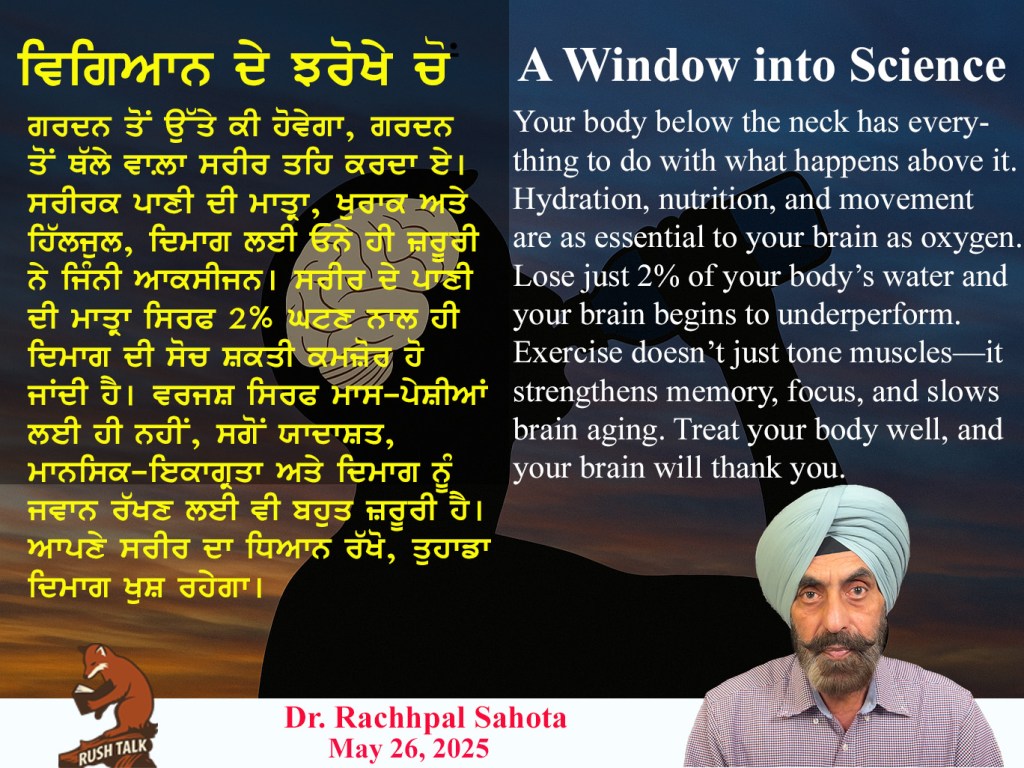
Ever notice how you think clearer after a walk or a glass of water?Your body and brain are one team. Treat one well, the other shines.

Mental Health and Physical Activity

Stress Awareness